
AI Chatbot Development Services
We provide custom AI chatbot development services that actually understand what a customer is asking, hand off to a real person cleanly when they need to, and integrate with the systems your team already uses.
Clients that have trusted us over the years











Interact With Your Product Roadmap — Not With Endless Meetings
No matter it's a day or night, there are responses to my inquiries and resolves my concerns in less than an hour.

He Wang
Founder at Cashbackist, Inc.
The Conversation Design Filter
A chatbot that can answer any question in a demo and a chatbot that reliably helps real customers are two different products, and most chatbot projects only build the first one.
Our Conversation Design Filter checks every proposed capability against three questions before it earns a place in the build: what happens when the bot does not know the answer, where it needs to pull real data from, and how a human takes over when needed.
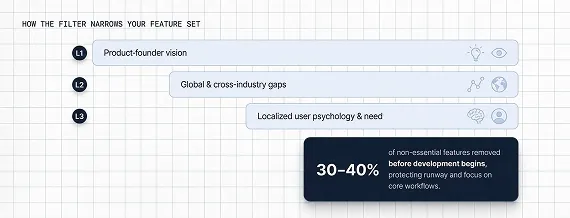
Fallback Behaviour
We define exactly what the bot says and does when it cannot answer confidently, rather than letting it guess or loop.
Real Data Integration
We identify which answers need to pull from your CRM, order system, or knowledge base live, versus what can be answered from static content.
Human Handoff Design
We design the handoff to a human agent as a real conversation flow, with context carried over, not a dead end that restarts the conversation.
AI Chatbot Development Services We Deliver
As an ai chatbot development company, we build bots that handle real conversations, not a scripted decision tree with a chat interface.
Custom Conversational AI Design
Conversation flows designed around your actual customer questions, not a generic template with your product name swapped in.
LLM and NLU Integration
Large language model integration for natural understanding, paired with structured logic where accuracy and consistency matter more than fluency.
CRM and Backend Integration
Live connections to your CRM, order system, or knowledge base, so the bot answers from real, current data, not a static script.
Multi-Channel Deployment
Web, WhatsApp, and social messaging deployment from one conversation design, not a separate rebuild per channel.
Human Handoff and Escalation
Clean escalation to a human agent with full conversation context carried over, not a customer forced to repeat themselves.
Voice and Multilingual Support
Voice interface and multilingual conversation support for businesses serving customers beyond a single language or channel.
Why Choose EnactOn for Chatbot Development Services?
We design for the conversation that actually happens, including the parts where the bot does not know the answer.
We Design the Failure Path First
What the bot does when it does not know the answer gets designed before the happy-path conversation, since that is where trust is actually won or lost.
Real Backend Integration, Not a Script
Our bots pull live data from your actual systems, so an answer about an order or an account is correct, not a guess dressed up as an answer.
Handoff That Preserves Context
When a human takes over, they see the full conversation, so your customer never has to explain their problem twice.
Built for Your Actual Channels
We design once and deploy across the channels your customers actually use, not a bot built only for a demo widget.
Why Have 350+ Clients Trusted Us?
We build for teams launching their first chatbot and for businesses replacing a bot customers have learned to avoid.
Proven Delivery Timelines
We respect your launch deadline. Our process is built to deliver your chatbot precisely when promised.
Zero Hidden Fees
We believe in upfront, honest partnerships. You will know exactly where every dollar goes, with no surprise charges once development begins.
Real Conversation Testing
We test against real, messy customer phrasing before launch, not just the clean example questions in a demo script.
Unwavering Post-Launch Support
Our partnership does not end at deployment. We monitor conversation quality and update the bot as real usage reveals gaps.
Integration Depth
We connect bots to real backend systems, not just a static FAQ, so answers stay accurate as your data changes.
AI-Powered, Human-Reviewed
We use AI to move faster on every build, with a person reviewing every conversation flow before it reaches a real customer.
Chatbot Development, the Intent-Driven Way
EnactOn’s chatbot development combines Intent-Driven Engineering with AI-assisted speed and a human in the loop at every stage. AI accelerates the build while our team reviews every decision, and each release passes four quality gates before launch.
Define the Intent First
We convert your real customer questions and backend systems into a clear conversation specification before any flow gets built.
Accelerate Development with AI
AI speeds up integration and testing scaffolding, while our team remains responsible for every conversation design decision.
Keep AI-Generated Code Governed
Raw AI-generated code never enters production. Every output is reviewed, refined, and validated by EnactOn’s engineering team.
Pass Four Quality Gates
Every release is checked for conversation accuracy, security, integration reliability, and deployment readiness before it ships.
Apply 13 Years of Experience
Our engineers have built conversational systems handling real customer volume across support, sales, and operations use cases.
Tested Against Messy Real Phrasing
We test with the actual way customers type, typos, slang, and half-finished questions, not a curated demo script.
Chatbots built to handle real conversations
Our bots are engineered for accuracy, reliable handoff, and real integration, not just a polished demo.
How Do We Build Your Chatbot?
Most chatbots fail to earn trust because the failure path, what happens when the bot is stuck, was never really designed.
Conversation and Integration Discovery
We map your real customer questions and identify which backend systems the bot needs to pull live data from.
Conversation Flow Design
We specify the conversation flow in writing, including fallback and handoff behaviour, signed off before development begins.
Build with Human Review
AI accelerates integration code while our team reviews every conversation flow and tests against real, messy customer phrasing.
Launch and Conversation Monitoring
We deploy the bot and monitor real conversations closely in the first weeks, refining fallback responses based on what customers actually ask.
That support ticket volume you keep meaning to reduce?
You do not need a finished spec. Bring us the common questions, the rough notes, and the systems you want connected. We will help you figure out the rest.
What Our Clients Say
Hear directly from the people who’ve partnered with us to bring their ideas and digital products to life.
No matter it’s a day or night, there are responses to my inquiries and resolves my concerns in less than an hour.

He Wang
Founder at Cashbackist, Inc.
Best thing about EnactOn is they have all under-one-roof solution for end-to-end business requirements.

Tej Prakash
Founder at AdGaem
We appreciate their attention to detail and creative approach in bringing our new exhibit to life online.

Y Sreekanth
Founder at Cashkart365
EnactOn provided me with a more comprehensive proposal than I asked for, which helped me proceed smoothly with development.

Tejas Ahobala
Founder at Khareedhi
All my worries and thinking turned in positive ways when I came across an expert team of EnactOn technologies.

Aaksh Soni
Founder at DealNo1
The technical approach to a solution has been their core strength. Overall domain and business expertise is truly remarkable.

Quartzobr
Founder at Kahle.com.br
What are you working with?
No chatbot yet, an existing bot customers avoid, or a chatbot that needs real backend integration? Show us where you are.
Industries We Serve
Our diverse team of professionals, coming from various industries, enables us to personalize your development process. By focusing on key pain points, we deliver tailored solutions that meet your specific market needs.
Healthcare & Medicine
Banking & Finance
Retail & E-commerce
E-learning & Education
Real Estate & PropTech
Travel & Tourism
Restaurants & FoodTech
Enterprise & Digital Systems
CleanTech & GreenTech
Marketing Tech & MarTech
Advertising Tech & AdTech
Manufacturing & Industrial Tech
Automotive & Smart Mobility
Electric Vehicles & EV Mobility
Agriculture & AgriTech
Energy, Oil & Gas
Real Results from Real Companies
Explore how we turn complex business challenges into scalable digital products that deliver measurable results.
 Switzerland
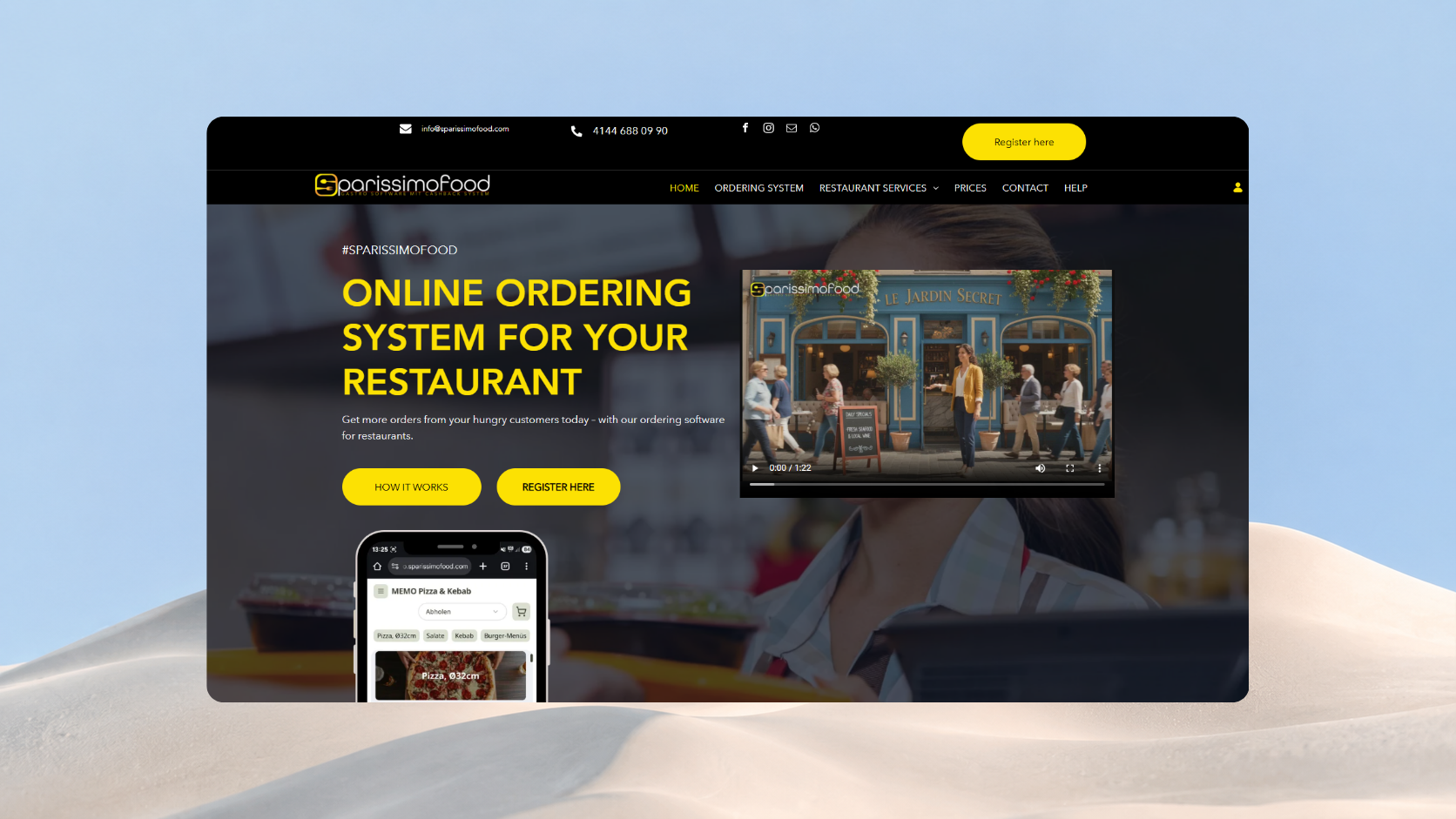
How We Built SparissimoFood — An Online Food Ordering System for 400+ Restaurants

“In just 2 months we onboarded over 400 restaurants. EnactOn built a platform that scaled instantly and reduced our support load by 60%.”

 Switzerland
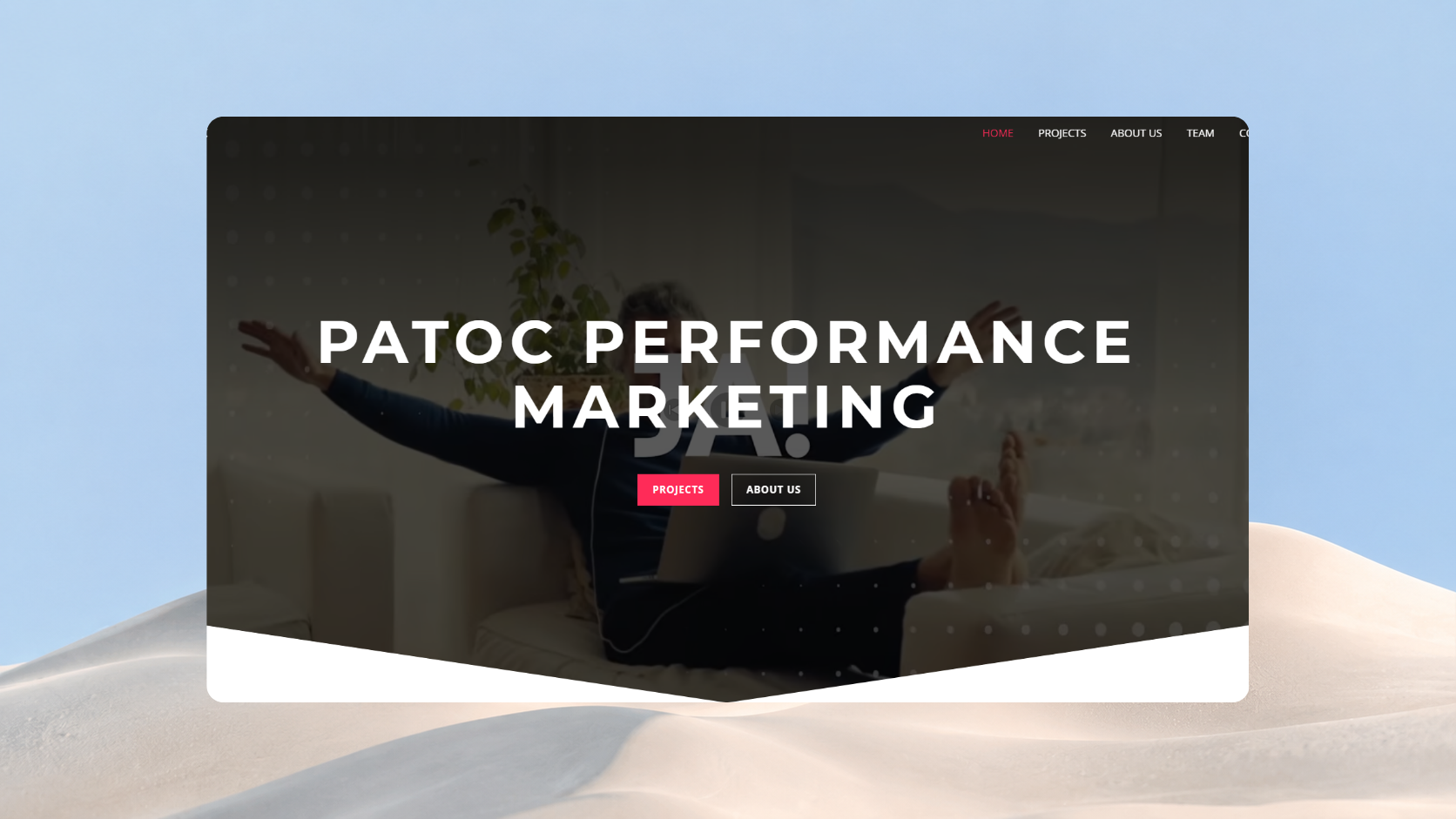
Patoc — Advertiser Management Software That Runs Black Friday at 99.9% Campaign Accuracy
“The automated campaign system eliminated our entire seasonal hiring burden and delivered 99.9% accuracy across every Black Friday campaign.”

 India
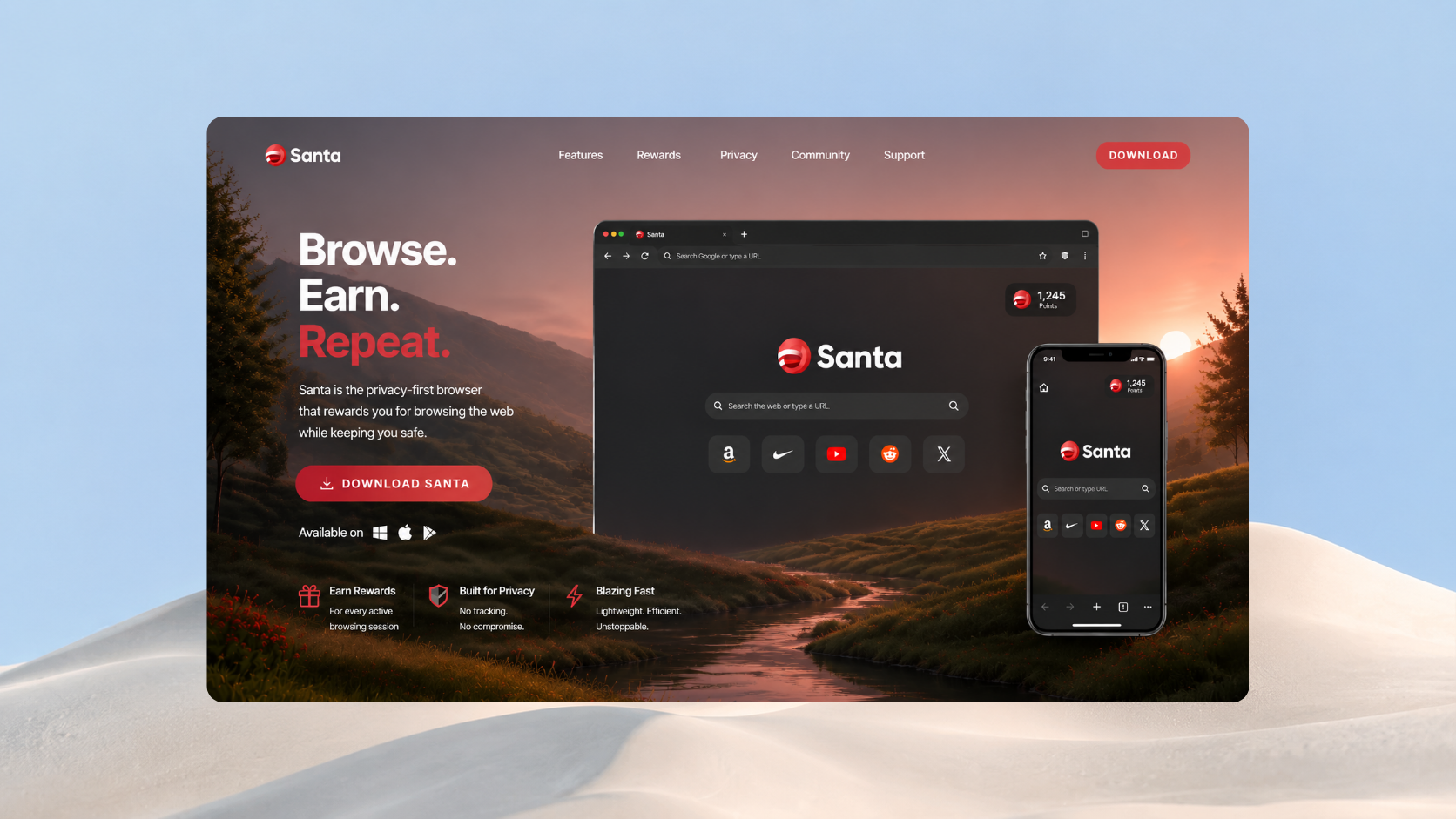
IndiaSanta Browser — Turned Everyday Browsing Into a Rewarding Experience That Drove Repeat Use and Revenue
“Built-in rewards changed the value of the browser itself. Users had a reason to stay, Santa gained a new monetization channel, and cashback became a scalable part of the business.”

FAQs
Build a Chatbot Customers Actually Trust
Tell Us What You’re Building
Share your idea, requirements, or challenge. We’ll review it and help you figure out the right next step.
He Wang
Founder at Cashbackist, Inc.