
Custom Fintech Software Development for Payments and Compliance
We build secure fintech software for digital payments, account ledgers, and customer verification where every single transaction has to balance out perfectly every time you get audited.
Clients that have trusted us over the years











Interact With Your Product Roadmap — Not With Endless Meetings
No matter it's a day or night, there are responses to my inquiries and resolves my concerns in less than an hour.

He Wang
Founder at Cashbackist, Inc.
The Recurring Problems in Custom Fintech Software Development
These show up on nearly every fintech engagement, and no framework choice on its own fixes any of them.
Balances Stored as Mutable Numbers
A balance column that gets overwritten on every transaction cannot explain itself when a regulator or a customer asks how it got there. Immutable ledger postings, where every balance is the sum of entries rather than a stored number, make every balance auditable by construction.
Reconciliation Bolted on Afterward
Matching internal records against a payment processor or bank feed after the fact turns into a manual spreadsheet exercise every month. Reconciliation designed in from day one, with an automated exceptions queue, catches mismatches within hours instead of at quarter close.
KYC as a One-Time Gate
Treating identity verification as a single sign-up step misses the ongoing monitoring that AML regulations actually require. Continuous risk scoring, tied to transaction behaviour rather than a single onboarding check, is what real compliance looks like.
Fraud Rules Hardcoded in the Application
When fraud thresholds live inside application code, changing them means a deployment, and deployments are slow exactly when fraud patterns are moving fast. A separate, configurable rules engine lets risk teams adjust thresholds without waiting on engineering.
Payment Rails Treated as One Thing
Cards, ACH, wire, and real-time rails all fail differently, settle on different timelines, and reverse differently. A payment orchestration layer that models each rail’s real behaviour prevents a card-shaped assumption from breaking a wire transfer.
Audit Trails Reconstructed After the Fact
Trying to answer "who changed this and when" from application logs after an incident is slow and often incomplete. Event sourcing, where every state change is itself a stored, immutable record, makes the audit trail a byproduct of normal operation, not a forensic exercise.
Fintech Businesses We Work With
As a fintech application development company, we work across the sector, though a neobank and a B2B payments platform need almost nothing in common technically.
Neobanks and Digital Banking
Account origination, core banking ledgers, and card issuing, where uptime and balance accuracy are the whole product.
- •Core ledger and account services
- •Card issuing and controls
Payment Processors and Gateways
High-volume transaction routing across multiple rails, where latency and settlement accuracy are the metrics that matter.
- •Multi-rail payment orchestration
- •Real-time settlement tracking
Lending and Credit Platforms
Underwriting logic, credit scoring integrations, and loan servicing across origination to payoff.
- •Underwriting rules engines
- •Loan servicing and amortisation
Wealth and Investment Platforms
Portfolio management, trade execution integrations, and performance reporting held to a fiduciary standard.
- •Portfolio and holdings tracking
- •Performance and tax reporting
B2B Payments and Treasury
Multi-entity, multi-currency payment flows with approval chains that consumer payment tools were never built for.
- •Multi-currency treasury management
- •Approval workflows and controls
Technical Choices That Keep Fintech Platforms Compliant
Most of these exist because financial data is regulated, auditable, and unforgiving of silent errors.
Immutable Ledger Postings
Every balance is the sum of append-only entries, never an overwritten column, so any balance can be explained after the fact.
Idempotent Payment Processing
Every payment request carries an idempotency key, so a retried network call cannot accidentally charge a customer twice.
Reconciliation as a Scheduled Job
Bank and processor feeds are matched against internal records automatically, with mismatches routed to a review queue, not a spreadsheet.
Encryption for Data at Rest and in Transit
PII and financial data are encrypted by default, with access logged, satisfying PCI-DSS and SOC 2 expectations from day one.
Configurable Risk and Fraud Rules
Fraud thresholds live in a rules engine your risk team can adjust directly, not in application code behind a release cycle.
Event Sourcing for Audit Trails
Every state change is a stored event, so a full audit trail exists by default rather than being reconstructed from logs after an incident.
Fintech Software Development Services We Deliver
For neobanks, lenders, payment processors, and wealth platforms, our custom financial software development services cover the full stack, not just the interface.
Core Banking and Ledger Systems
Account structures, double-entry ledgers, interest accrual, and multi-currency balances built to reconcile cleanly against your banking partners.
Payment Orchestration
Routing across cards, ACH, wire, and real-time rails, with retry logic, idempotency, and settlement tracking specific to each rail’s real behaviour.
KYC, AML, and Onboarding
Identity verification integrations, ongoing transaction monitoring, and risk scoring that satisfies both the regulator and the customer experience.
Lending and Underwriting Platforms
Credit decisioning rules, bureau integrations, loan servicing, and amortisation schedules from origination through payoff.
Fraud and Risk Engines
Configurable rule sets and anomaly detection that flag suspicious activity without a code deployment every time a threshold needs to change.
Financial Reporting and Reconciliation
Automated reconciliation against processors and banks, plus regulatory reporting assembled from source data rather than manually each quarter.
What Working With Us Looks Like
Regulated money movement and audit requirements are where a fintech build actually gets tested. Choose based on how a vendor handles those two things, not how the demo looks.
We Model Money as a Ledger
Immutable postings from day one, so a balance dispute is answered by the entries behind it, not by trust.
Compliance Is Designed In, Not Bolted On
KYC, AML, and audit requirements shape the architecture from the first sprint, not a checklist reviewed before launch.
AI Speeds Up the Build, People Own the Risk
AI handles the repetitive parts of the build, reconciliation scripts, test coverage, rule-engine boilerplate, fast. Every change that touches an actual balance or a compliance rule still gets a person’s eyes on it before release.
We Test Against Real Failure Modes
Payment retries, partial failures, and processor downtime are tested explicitly, not assumed away in a happy-path demo.
Designed With Compliance Teams
Compliance teams have usually built their own manual patches around a system that does not do what it should. We treat those patches as the real requirements list and ask about them directly.
Migration Handled as a Real Project Stage
Balance and transaction history migration is planned and reconciled explicitly, never left as a task squeezed in at the end.
Secure, high-speed products built for business growth
Our software is engineered for speed, security and scalability — delivering dependable performance for businesses of every size.
What Our Clients Say
Hear directly from the people who’ve partnered with us to bring their ideas and digital products to life.
No matter it’s a day or night, there are responses to my inquiries and resolves my concerns in less than an hour.

He Wang
Founder at Cashbackist, Inc.
Best thing about EnactOn is they have all under-one-roof solution for end-to-end business requirements.

Tej Prakash
Founder at AdGaem
We appreciate their attention to detail and creative approach in bringing our new exhibit to life online.

Y Sreekanth
Founder at Cashkart365
EnactOn provided me with a more comprehensive proposal than I asked for, which helped me proceed smoothly with development.

Tejas Ahobala
Founder at Khareedhi
All my worries and thinking turned in positive ways when I came across an expert team of EnactOn technologies.

Aaksh Soni
Founder at DealNo1
The technical approach to a solution has been their core strength. Overall domain and business expertise is truly remarkable.

Quartzobr
Founder at Kahle.com.br
Real Results from Real Companies
Explore how we turn complex business challenges into scalable digital products that deliver measurable results.
 Switzerland
How We Built SparissimoFood — An Online Food Ordering System for 400+ Restaurants

“In just 2 months we onboarded over 400 restaurants. EnactOn built a platform that scaled instantly and reduced our support load by 60%.”

 Switzerland
Patoc — Advertiser Management Software That Runs Black Friday at 99.9% Campaign Accuracy
“The automated campaign system eliminated our entire seasonal hiring burden and delivered 99.9% accuracy across every Black Friday campaign.”


 India
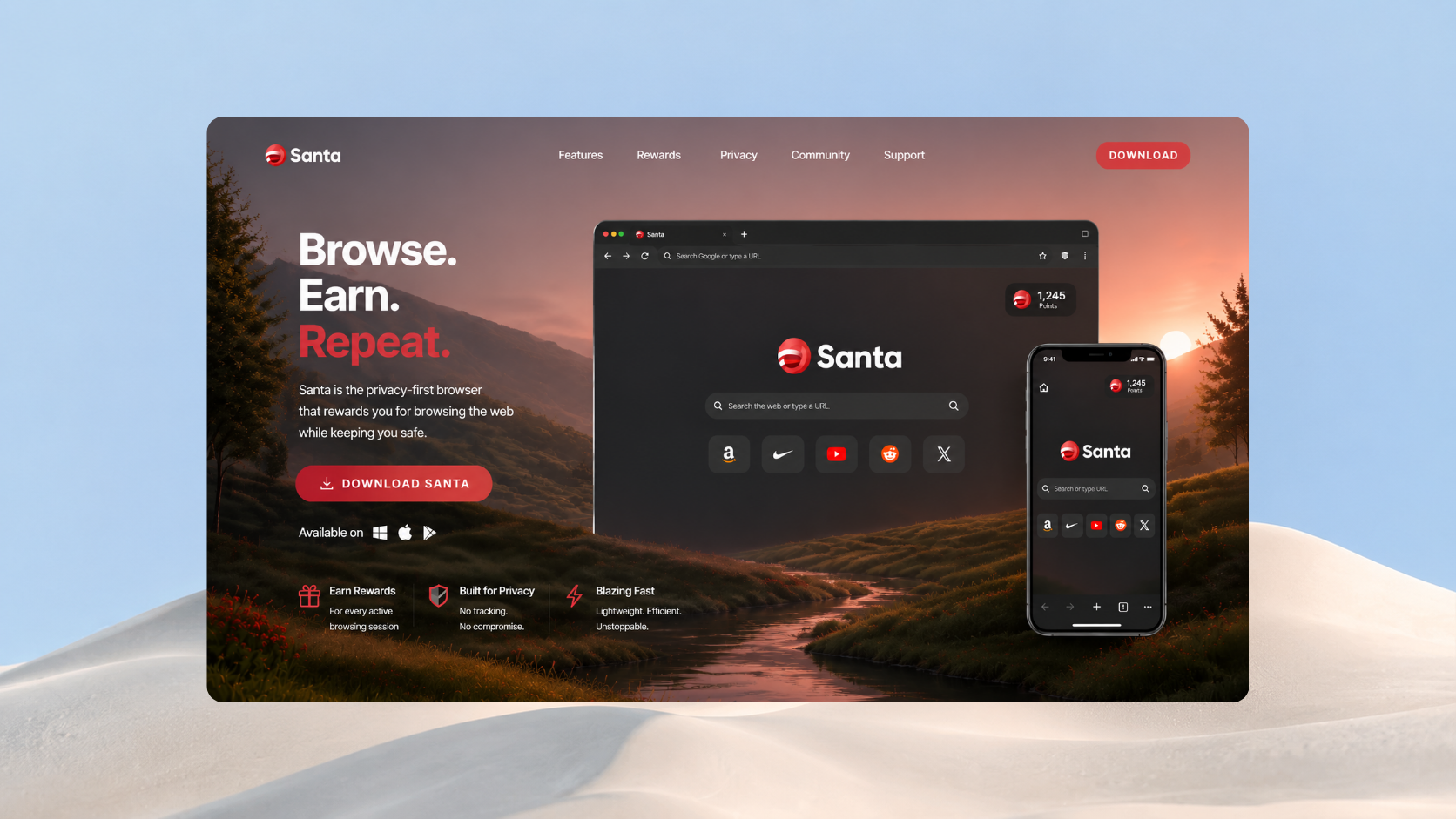
IndiaSanta Browser — Turned Everyday Browsing Into a Rewarding Experience That Drove Repeat Use and Revenue
“Built-in rewards changed the value of the browser itself. Users had a reason to stay, Santa gained a new monetization channel, and cashback became a scalable part of the business.”

Send Us the Part That Worries You Most
Whether it is a reconciliation process that never quite ties out, a KYC flow held together by manual review, or a core ledger migration you have been putting off, a short technical conversation will tell you more than a proposal document.
FinTech Development FAQs
Tell Us What You’re Building
Share your idea, requirements, or challenge. We’ll review it and help you figure out the right next step.
He Wang
Founder at Cashbackist, Inc.